For those living or operating businesses along the coastline, there is a unique kind of beauty that comes with the ocean view. The sound of the waves, the constant sea breeze, and the proximity to the water are unmatched. However, there is a hidden, relentless enemy that every coastal resident knows all too well: salt air.
If you have ever owned a home or managed a facility near the coast, you know that the marine environment is one of the most corrosive on the planet. Salt, combined with high humidity, acts as a catalyst for oxidation, turning ordinary metals into rusted, brittle debris in a fraction of the time it would take inland. When you are looking to install fencing, “standard” hardware simply won’t cut it.
At Al Miqat Fencing Factory, we help property owners in coastal zones select materials that don’t just survive the elements but thrive in them. In this guide, we break down the best fencing solutions to protect your property from the harsh realities of the coast.
The "Coastal Corrosion" Problem: Why Materials Fail
Before we dive into the best materials, it is important to understand why the coast is so tough on construction. When salt spray settles on a surface, it creates a layer of moisture that stays on the metal much longer than fresh water. This creates an electrolyte layer that accelerates galvanic corrosion.
For the average hardware supplier, a standard “galvanized” fence might be fine. But for a site near the salt, that fence will start showing rust spots within months, eventually losing its structural integrity. You need materials that offer both barrier protection and intrinsic corrosion resistance.
Top Contenders for Coastal Fencing
When selecting a fence for a coastal environment, your goal is to find materials that are either non-ferrous (do not contain iron) or are protected by high-grade, marine-spec coatings.
1. PVC-Coated Welded Wire Mesh
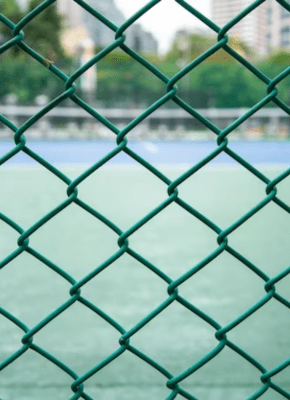
This is often our top recommendation at Al Miqat Hardware for coastal projects.
- The Science: The base wire is typically galvanized for initial protection, but the thick, bonded PVC coating acts as an impenetrable shield. Salt air literally cannot reach the metal core.
- Why it wins: It is flexible, durable, and highly resistant to UV rays and salt. Because the PVC is inert, it does not react with the salt-heavy atmosphere.
2. Aluminum Fencing
If you want the classic look of iron without the catastrophic rust, aluminum is your best friend.
- The Science: Unlike steel, aluminum does not rust. When it is exposed to the elements, it develops a thin layer of aluminum oxide that actually protects the metal beneath from further corrosion.
- Why it wins: It is lightweight, incredibly strong, and powder-coated to provide a sleek, modern finish that doesn’t need repainting. It is the gold standard for coastal residential properties.
3. Vinyl (PVC) Fencing
If you are prioritizing low maintenance above all else, solid vinyl is a fantastic option.
- The Science: Vinyl is a plastic-based material that is essentially impervious to water, salt, and rot. It will never corrode, never rust, and never require the scraping and painting that wood or metal fences demand.
- Why it wins: For beachfront properties where the primary goal is privacy or boundary marking without the headache of constant upkeep, vinyl is unmatched.
4. Marine-Grade Stainless Steel
For high-security industrial areas where structural strength is non-negotiable, you must look at 316-grade stainless steel.
- The Science: Most “stainless” steel used in hardware is 304-grade. However, in salt-heavy environments, you need 316-grade stainless steel, which contains molybdenum to specifically resist chloride corrosion (salt).
- Why it wins: It is the strongest option on this list, though it comes at a higher price point. It is essential for structures that face direct, high-velocity sea spray.
Comparing Your Options: A Quick Reference
Choosing the right material often comes down to balancing your aesthetic goals with your maintenance budget.
| Material | Coastal Durability | Maintenance Level | Best Use Case |
|---|---|---|---|
|
PVC-Coated Mesh |
Excellent |
Very Low |
Perimeter fencing, gardens |
|
Aluminum |
Excellent |
Low |
Residential boundaries, pools |
|
Vinyl |
Exceptional |
Minimal |
Privacy, aesthetic barriers |
|
316 Stainless |
Supreme |
Low |
High-security, industrial sites |
Essential Installation Tips for Coastal Longevity
Even the best material will fail if the installation process creates “weak points.” When building a fence near the shore, keep these three rules in mind:
1. Avoid Dissimilar Metals
One of the fastest ways to destroy a fence is to use the wrong fasteners. If you use stainless steel screws on a standard galvanized post, the difference in electrical potential will cause the galvanized metal to corrode at an accelerated rate (galvanic corrosion). Always use fasteners that match the fence material.
2. Protect the Posts
The base of the post, where it meets the ground, is where most fences fail. Coastal soil often contains salt deposits that can eat away at the base of the post from the ground up. Use high-quality concrete footings and ensure the base is sealed properly to prevent moisture from pooling around the material.
3. Wash Your Fence
It sounds counterintuitive, but a simple freshwater rinse once a month can add years to the life of your fence. By washing away the accumulated salt spray, you prevent the chloride from having enough contact time to penetrate the protective coatings of your fence.
Why Choose Al Miqat Hardware?
In the coastal region, there is no room for error. Choosing the wrong gauge of mesh or the wrong alloy of metal can result in a failing fence within a single season. At Al Miqat Fencing, we specialize in identifying the unique environmental stressors of your specific location.
We don’t just sell you a product; we ensure you are getting the right material specifications—such as proper PVC thickness or the correct stainless steel grade—to handle the salt, the humidity, and the wind.