Gardening is one of the most rewarding hobbies you can undertake. There is an unmatched sense of accomplishment that comes from nurturing a tiny seed into a vibrant, blooming flower or a healthy, edible vegetable. However, every gardener knows the sinking feeling of stepping outside early in the morning to find your prized lettuces chewed to the ground, your tulip bulbs unearthed, or your young saplings stripped of their bark.
Wildlife, while beautiful in its natural habitat, can be a gardener’s greatest adversary. From persistent rabbits and crafty squirrels to neighborhood cats and stray dogs, animal intrusion can quickly undo months of hard work. If you are struggling to keep your garden sanctuary secure, it is time to look into a robust, versatile, and cost-effective solution: PVC-coated mesh.
At Al Miqat Fencing, we believe that your garden should be a place of joy, not a constant battle against local fauna. In this guide, we explore why PVC mesh is the gold standard for garden protection and how you can implement it effectively.
Why Choose PVC Mesh?
When you walk into an aisle at Al Miqat Hardware, you will see a variety of fencing materials—chicken wire, welded wire, plastic netting, and wooden fencing. While each has its place, PVC-coated mesh stands out as the superior choice for the modern gardener for several critical reasons:
1. Exceptional Durability and Corrosion Resistance
Traditional metal fencing (like bare galvanized steel) will eventually rust when exposed to the moisture of a garden. PVC-coated mesh is different. By encapsulating the wire in a thick layer of polyvinyl chloride (PVC), we provide a permanent barrier against rust and corrosion. Whether it is rain, irrigation sprinklers, or high humidity, your mesh will remain strong and intact for years.
2. Strength Without the Bulk
PVC mesh is incredibly strong, yet it maintains a relatively low profile. Unlike solid wood fences that can cast shadows and obstruct your view, mesh allows light and air to flow freely. This is essential for plant health, ensuring your garden isn’t just protected, but also thriving.
3. Safety for Your Pets and Wildlife
Some fencing materials, such as sharp, thin chicken wire, can cut the paws of pets or cause injury to small animals that attempt to squeeze through. PVC coating provides a smooth finish. It is humane, safe, and effective at deterring animals without causing them unnecessary harm.
4. Aesthetics and Integration
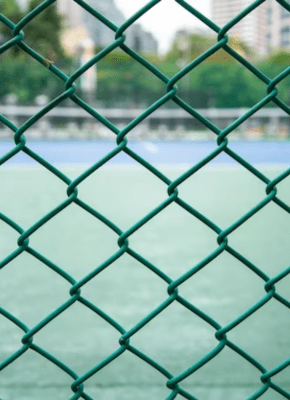
Many homeowners avoid garden fencing because they fear it will ruin the visual appeal of their landscape. PVC mesh comes in various colors—most commonly black or dark green—that blend seamlessly into the background. Once installed, it almost disappears from sight, allowing your flowers and vegetables to take center stage.
Strategic Implementation: How to Use PVC Mesh Effectively
Simply putting up a fence isn’t always enough to keep persistent animals out. Animals are clever; they are master climbers and expert tunnelers. Here is how you can use PVC mesh from Al Miqat Hardware to create a truly “impenetrable” barrier.
The "Buried Trench" Method (Against Tunnelers)
If you are dealing with rabbits, groundhogs, or moles, they won’t just try to go over your fence—they will go under. To stop this:
- Dig a narrow trench around the perimeter of your garden bed.
- Bury the bottom 6 to 12 inches of the PVC mesh underground.
- Bend the bottom edge outward at a 90-degree angle to create an “L-shape” shelf. As a burrowing animal hits the mesh and tries to dig deeper, it will be met with the metal shelf, effectively stopping them in their tracks.
The "Top-Flip" Technique (Against Climbers)
Squirrels, raccoons, and cats are adept at climbing. A standard vertical fence is merely a ladder for them.
- When installing your fencing, leave a few inches of extra height at the top.
- Bend the top 4 to 6 inches of the mesh outward, away from the garden, at a 45-degree angle. This simple overhang makes it incredibly difficult for animals to clear the top, as they cannot gain the necessary leverage to hoist themselves over.
Creating Protective Cloches
For younger plants or high-value crops like strawberries or tomatoes, you don’t always need to fence the entire garden. You can use PVC mesh to create individual “cloches” or cages.
- Cut the mesh to size and roll it into a cylinder.
- Secure the seam with zip ties or wire.
- Place these over individual plants or rows. This provides a focused shield against birds and rodents while allowing for easy access when it is time to harvest.
Maintenance: Keeping Your Investment Pristine
One of the great advantages of purchasing your materials from a trusted supplier like Al Miqat Hardware is that you are investing in longevity. However, even the best materials benefit from a little TLC.
At the end of each growing season, take a few minutes to inspect your mesh. Look for any debris that may have gotten caught in the wire. If you find any spots where the PVC coating has been scratched, touch it up with a bit of exterior-grade outdoor paint or a protective sealant to ensure the underlying wire remains shielded from moisture.
Because our PVC mesh is highly resistant to UV rays, you won’t have to worry about it becoming brittle or cracking under the harsh sun—a common problem with cheaper, pure-plastic netting options.
Conclusion: Reclaim Your Garden
There is no reason your gardening journey should be derailed by unwanted visitors. By implementing a proactive strategy using the right tools—specifically high-quality PVC-coated mesh—you can spend your time enjoying the harvest rather than mourning the losses.
At Al Miqat Fencing, we are committed to providing the materials you need to build, protect, and enhance your outdoor space. Whether you are a weekend hobbyist or a professional landscaper, our team is here to help you select the right mesh gauge, provide installation advice, and ensure your garden remains the beautiful, bountiful sanctuary you intended it to be.