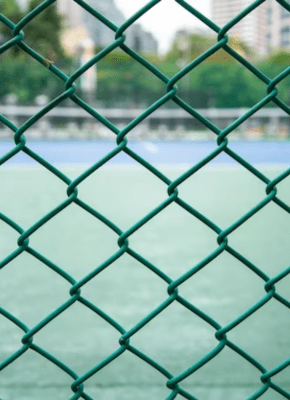

When considering a fence for your property, durability and longevity are crucial factors. A chain link fence is often a top choice due to its strength, versatility, and cost-effectiveness. But one question that frequently arises is: How long do chain link fences last? Understanding the lifespan of a chain link fence and knowing how to maintain it can help you make an informed decision, ensure its longevity, and maximize your investment.
At Al Miqat Fencing Factory, we specialize in providing high-quality fencing solutions and equipment. In this blog, we’ll explore the factors that influence the lifespan of chain link fences, provide maintenance tips, and help you determine how long you can expect your fence to last.
The Lifespan of a Chain Link Fence
On average, a well-maintained chain link fence can last anywhere between 15 to 30 years. However, the actual lifespan will depend on several factors, such as the materials used, environmental conditions, and the amount of maintenance it receives. Let’s break these factors down:
1. Material Quality
The longevity of a chain link fence is significantly influenced by the materials used in its construction. Most chain link fences are made of galvanized steel or aluminum, both of which have excellent durability properties.
- Galvanized Steel: This is the most common material for chain link fences and typically lasts between 15 to 25 years. The steel is coated with a layer of zinc to prevent rusting, but over time, the zinc coating may wear away, especially in humid or coastal environments.
- Vinyl-Coated Chain Link Fences: These offer additional protection against weather elements and can extend the fence’s lifespan to 20 to 30 years. The vinyl coating acts as a barrier to moisture, preventing rust and corrosion.
- Aluminum Chain Link Fences: Although not as common as steel, aluminum fences are lightweight and resistant to corrosion. They generally last around 20 to 30 years, making them a great option for areas with high humidity or coastal environments.
2. Environmental Factors
The climate where your fence is installed plays a huge role in determining its lifespan. Chain link fences installed in coastal areas or regions with high humidity tend to deteriorate more quickly because of exposure to saltwater and moisture. Conversely, fences in arid or dry climates will generally last longer, as there’s less moisture to promote rust.
Another environmental factor to consider is the temperature. Extreme temperature fluctuations—especially freeze-thaw cycles—can cause damage to the metal, leading to cracks, rust, or general wear and tear.
3. Usage and Wear
The level of usage and physical wear your fence endures also impacts its longevity. If your fence is subjected to high impact, like from pets or children playing, it may wear down faster. On the other hand, fences in areas with minimal contact (like rural properties or farms) may last much longer.
Maintenance Tips to Extend the Lifespan of Your Chain Link Fence
Proper care and regular maintenance are essential to keep your chain link fence in top condition and extend its lifespan. Here are some practical maintenance tips:
- Regular Cleaning
Over time, dirt, debris, and algae can accumulate on your chain link fence, especially if it’s installed in a moist environment. Cleaning the fence once or twice a year can prevent buildup and allow you to check for any signs of damage.
To clean the fence, use a garden hose to rinse off dirt and debris. For tougher stains or mold, mix water and mild detergent to scrub the fence. Avoid harsh chemicals as they could damage the fence’s protective coatings.
- Check for Rust and Corrosion
Rust is one of the most common problems for metal fences, particularly in coastal areas or areas with high moisture. Regularly inspect your fence for signs of rust or corrosion. If you spot any, address it immediately by sanding the rusted area and applying a rust-resistant paint or galvanizing solution to prevent it from spreading.
For vinyl-coated fences, check for any damage to the coating, as any exposed metal can be susceptible to rust over time.
- Tighten Loose Components
Over time, the tension in the chain link mesh may loosen, and posts or gates may shift. Regularly inspect your fence for any loose bolts, posts, or connectors. Tightening these components ensures the fence remains stable and functional.
If you notice that your posts are leaning or showing signs of movement, it may be a good idea to re-compact the soil around the base or replace the posts if necessary.
- Inspect and Replace Damaged Sections
If you notice any broken or bent links in the fence, it’s best to repair or replace the affected section as soon as possible. A damaged fence can compromise the security of your property and increase the risk of further damage to other parts of the fence.
At Al Miqat Fencing Factory, we offer various parts and materials for fence repairs and maintenance to help keep your fence in optimal condition.
- Apply a Protective Coating
If your chain link fence is made of galvanized steel, applying a protective coating like a rust inhibitor or protective wax can help extend its lifespan. This is especially important in areas prone to salt exposure or extreme weather conditions
Conclusion
A chain link fence is a long-lasting and durable fencing solution, but like any investment, it requires proper care and attention to ensure it reaches its full lifespan. By following these maintenance tips and understanding the factors that influence its durability, you can enjoy the security and protection that a chain link fence offers for many years.
At Al Miqat Fencing Factory, we understand the importance of a well-maintained fence, and we’re here to provide you with high-quality materials and expert advice to ensure your fence stands the test of time. If you’re in need of a new chain link fence or parts for maintenance, don’t hesitate to contact us for assistance.