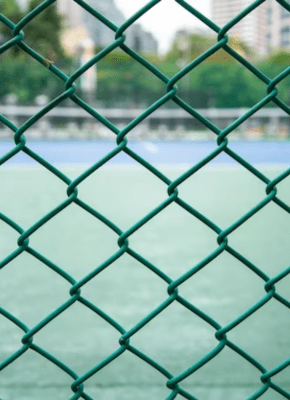
When it comes to fencing systems, most people focus on the material, coating, or design — but one of the most critical factors in a fence’s long-term performance is often overlooked: proper fence tension. Whether it is a chain link fence, wire mesh fence, or security fencing system, maintaining the correct tension plays a major role in durability, structural stability, and overall lifespan.
At Al Miqat Fencing Factory, we believe that a strong fence is not only built with quality materials but also with proper installation techniques that ensure lasting performance in demanding environments like the UAE.
What Is Fence Tension?
Fence tension refers to the tightness and balance applied to the fencing mesh or wire during installation. In chain link and wire fencing systems, tension ensures the mesh remains firm, straight, and securely attached to the fence framework.
When fencing is installed with the correct tension, it maintains its shape and structural integrity even under pressure from wind, temperature changes, and external impact. Poorly tensioned fencing, on the other hand, can sag, loosen, or become vulnerable to damage over time.
Why Proper Fence Tension Matters
Fence tension directly affects the durability and reliability of the entire fencing structure. A properly tensioned fence distributes pressure evenly across posts, rails, and mesh connections. This balanced load reduces strain on individual components and prevents premature wear.
In regions like the UAE, where strong winds, high temperatures, and sandstorms are common, fencing systems are constantly exposed to environmental stress. If the fence mesh is too loose, wind pressure can cause movement and vibration, weakening the structure over time. If the tension is excessively tight, it may place unnecessary stress on fence posts and connectors, leading to bending or damage.
Achieving the right balance is essential for long-term performance.
Preventing Sagging and Structural Weakness
One of the most visible signs of poor fence tension is sagging mesh. Loose fencing not only looks unprofessional but also reduces security and creates weak points that may eventually fail.
Proper tension helps the fence maintain a clean, straight appearance while keeping the mesh securely aligned with the support framework. This is particularly important for industrial facilities, sports grounds, warehouses, and commercial properties where fencing must remain reliable under continuous use.
A well-tensioned fence also reduces the risk of sections becoming detached during harsh weather conditions.
Improving Resistance to Weather Conditions
Environmental conditions can significantly affect fencing systems over time. In the UAE, extreme heat can cause expansion in metal components, while strong winds place additional force on fencing surfaces.
When fence tension is correctly adjusted, the structure can better absorb and distribute these forces without excessive movement or distortion. This improves resistance against weather-related damage and helps extend the lifespan of the fence.
High-quality galvanized or PVC-coated fencing combined with proper tensioning creates a stronger defense against corrosion, impact, and environmental wear.
Enhancing Security and Safety
Fence tension is not only about appearance and durability — it is also essential for security. Loose fencing can be easier to tamper with, cut, or push aside, compromising the safety of the protected area.
Correctly tensioned fencing creates a more secure barrier by minimizing gaps and maintaining structural firmness. This is especially important for high-security installations, construction sites, schools, industrial zones, and restricted-access facilities.
In sports fencing applications, proper tension also improves player safety by preventing unstable or damaged fence sections.
Reducing Long-Term Maintenance Costs
Fencing systems that are poorly tensioned often require frequent repairs and adjustments. Loose mesh, damaged connectors, and leaning posts can quickly increase maintenance expenses if ignored.
Investing in professional fence installation with accurate tensioning reduces the risk of future structural problems. A stable fencing system requires fewer repairs, experiences less wear, and delivers better long-term value.
Routine inspections can also help maintain optimal tension and identify minor issues before they become major repair projects.
The Role of Professional Installation
Proper fence tension requires experience, precision, and the right installation techniques. Professional fencing contractors use specialized tools and methods to ensure the mesh is evenly tensioned without overstressing the framework.
At Al Miqat Fencing Factory, our team focuses on delivering fencing solutions that combine durability, safety, and long-term reliability. From chain link fencing to industrial security systems, we ensure every installation is completed with careful attention to structural integrity and environmental performance.
Conclusion
Fence tension may seem like a small technical detail, but it plays a major role in the overall strength and durability of any fencing system. Properly tensioned fencing improves structural stability, enhances security, withstands harsh weather conditions, and reduces long-term maintenance costs.
For property owners and businesses in the UAE, investing in professionally installed and properly tensioned fencing is essential for achieving reliable long-term performance.
At Al Miqat Fencing Factory, we provide high-quality fencing solutions designed to perform in challenging environments while maintaining strength, appearance, and security for years to come.